

What is Guest Posting?
Guest posting is the process by which content is posted on a website by another entity that is not directly connected to the website. Simply put, a person “guest” posts on another website that isn’t their own.
When it comes to SEO and content marketing strategies, guest posting forms the backbone of many of them. The contributor provides a well-researched, engaging article for the website that is essentially free for the website.
It is mutually beneficial for all parties involved when done in the right way. It builds credibility for the creator as well as the target website. Here, we highlight in more detail the importance of guest posting for your website’s metrics and other factors.
Importance of Guest Posting
1. Improve Targeted Traffic
The central goal of guest posting is to ensure that your website gets better quality leads. With guest posting on other relevant websites, the leads you get are essentially pre-qualified. The reason is that they already have an interest in your product or service, which is why they clicked.
These kinds of leads have higher conversion potential and are better for your business in the long run. Pre-qualified leads also help you save on your marketing budget by lowering the cost-per conversion.
Guest post links can get your business a much higher rate of referral traffic organically, versus ads or other marketing methods. Another advantage of this is that it can reach users at different stages of the marketing funnel.
2. Build Meaningful Business Relationships
An aspect that guest posting offers that not many other marketing methods offer is the ability to build long-term business relationships. Creating quality guest posts for high-profile brands in your circle can connect you with powerful allies.
Industry leaders, influencers, and other content marketers will be keener to partner up with your brand. These can be leveraged for future collaborations with even more popular brands and partnerships with much bigger entities.
It results in building advocacy and brand loyalty that can result in better word-of-mouth marketing for your business. It also translates well into “real life” events with invitations to podcasts, webinars, interviews, and expos.
3. Reach New Audiences
One of the biggest advantages of opting for guest posting is that you can reach audiences that you never thought of before. It improves brand visibility and catapults you into the view of more relevant users who are more likely to become customers of your brand.
What’s more, guest posting increases the chance of putting your content in front of a more engaged crowd. This results in building bigger communities that trust your brand and are more likely to engage with your social media.
The followers you get through guest posting tend to be more loyal and eager to share about your brand with others. They are more likely to link their host website’s credibility with yours, resulting in a much more positive outlook.
4. Boost Domain Authority and Backlinks
With quality guest posting, you can expect high-quality and relevant backlinks from an authority website. This can improve your website’s own DA (Domain Authority) scores, resulting in a higher rank for related keywords and queries on the SERPs.
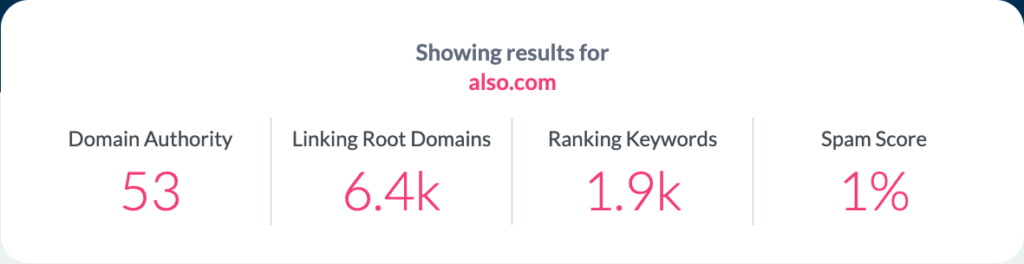
Along with higher DA, DR (Domain Rating) also improves, which further consolidates your brand’s position at the top of searches. Higher-quality backlinks can funnel relevant traffic to your website from authority websites. This not only helps your SEO metrics but also lowers your conversion costs.
Guest posting on varied (but relevant) websites can also improve your backlink diversity. It helps keep your backlink profile more organic and gets you diverse traffic sources. Backlinks from authority websites are a strong ranking signal For example, AI-driven SEO is also reshaping how businesses build backlinks and authority. Read here.
and are a great way to get on the good side of search engines!
5. Establish Your Brand as an Authority
If a brand is competing against well-entrenched competitors, it can be an uphill battle. Guest posting on authority websites could be the key to helping these smaller brands get the advantage. Exposure to new and previously untapped audiences can help establish brand authority.
Since guest posting creates an association with established industry leaders, brands can leverage this to become industry leaders themselves. People are more inclined to put their faith in brands that associate themselves with industry leaders.
Guest posting on high authority websites also gives brands better recognition – key when it comes to brand recall. Being validated and endorsed by a bigger third-party that has a good standing in the industry can elevate smaller brands and position them better in the market.
Emerging AI trends also play a key role in building authority and trust. Explore the top AI trends here.
Tips to Build a Smart Guest Posting Strategy
1. Goal Setting and Clarity
One of the more important steps when it comes to building a smart guest posting process is to know the endgame. Ensure that you have specific, measurable objectives that are achievable through your guest posting. There is no point if you’re setting the bar too high!
The guest post strategy should align with the overall marketing strategy of the brand, including brand voice and objectives. It is also vital to identify the relevant KPIs for achieving your target. When setting timelines, factor in some leeway for outreach, publication, and results.
Many times, these are not factors that you can predict accurately. Understand who the target audience is and work on your guest post goals accordingly. It is also helpful to have a few content outlines and topics upfront rather than having to come up with them during the process.
2. Know Your Audience
The biggest factor for guest posting success is the audience. They are the biggest consumers and eventually the deciding factor. The key to understanding your audience is to create accurate buyer personas that you can use for your business.
Implementing detailed personas helps brands identify the best content formats that work with their audience. It helps businesses identify and work on core pain points and challenges in the niche that need to be addressed.
Browsing through social media communities and forums can give brands a lot of insight into this type of information. Analyzing their questions along with their language is vital to creating compelling content. Opt for social listening tools that can keep track of popular phrases and hashtags relevant to your business.
3. Find the Right Sites
Once you’ve finished setting the goals for your guest posting, then comes the pivotal step – choosing the right websites. There are at least a hundred thousand websites for any specific niche on the internet. The job brief is to whittle it down to at least 10. This is going to be tough, but doable if you know what to focus on!
The first thing people should look at is a website’s readership and engagement. High-engagement websites with a smaller audience are preferable to large sites with low turnouts.
Check the relevancy of the website directly or indirectly to your niche because if it isn’t relevant, it’s going to be a waste of time. It’s a good idea to prioritize Domain Rating (DR) over Domain Authority (DA) because the former offers much more detailed metrics when it comes to engagement.
4. Ensure a Proper Vetting Process
Any website that is considered for guest posting has to be vetted before being given the green light. A way to get this without much effort is to scan the blog pages for both in-house and guest content. This can give you important insight into what kind of links guest posters are offered and the general quality of language.
Another critical aspect that people need to keep an eye out for is the comment section. If there are only about 2 to 5 comments on a comprehensive 3k-word article, it might be a red flag.
On the other hand, if there are a lot of comments and most of it is spam or add nothing to the conversation, that isn’t good either. Ensure that the website is indexed on Google, and also verify that the social shares on recent articles are real.
5. Craft Compelling Pitches
The guest posting pitch is extremely vital. Authority websites receive many requests for guest posting, and so your pitch needs to stand out from the competition. In this regard, some things that you need to focus on are personalization, genuineness, and clarity.
Ensure that you include the name of the editor receiving the mail and don’t just go with a generic “Hello!” to start off. After that, mentioning an article (relevant to your industry) that they recently published is a good follow-up.
The third part is all about your brand and what you bring to the table. Provide concise reasons why you think their audience will engage with the topic you choose and social proof of past guest posting engagements.
6. Generate Engaging Content Ideas
When it comes to generating content ideas, you need to work on filling in the “gaps” in topic ideas. The best way to do this is through a keyword research tool like Google Keyword Planner or Ahrefs.
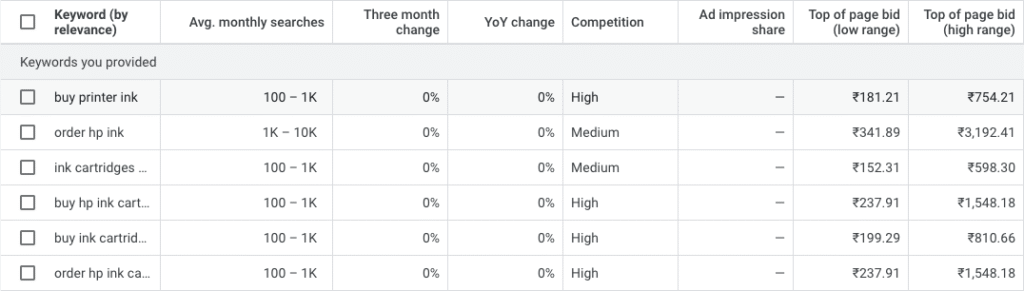
Both these platforms offer comprehensive keyword tools that can help you find exactly what you’re looking for.
Repurposing high-performing content from your blog and adding more detail to it is another great way to ensure your pitches are accepted quickly. The process of adding more to existing content is called “skyscraper content,” and it has proven to work really well with audiences.
If you’re looking for inspiration, check out the top blogs and authors in your niche. Analyze the top-performing content from other websites and find what works and what doesn’t.
7. Focus on Content That Converts
The ultimate goal of guest posting is to ensure that people going through the content find your brand attractive. There are several parts to ensure that you get people interested in your business. The most important thing is to create a compelling CTA that takes them from the published website to yours.
A/B test a list of several relevant CTAs related to your brand before you settle on a particular one. Rather than just adding links randomly within the article, choose strategic positions like within the first 2 paragraphs and just before the end of the article. Linking to high authority websites to support your claims is also a great idea.
Finally, focus on creating content that is readable and scannable. Keep the paragraphs short and add proper subheadings.
8. Implement a Follow-up Framework
Many marketers make the mistake of not having a proper follow-up funnel. There are a lot of opportunities that can be converted by just having a proper, automated follow-up process in place. The optimal period for following up with an editor is about 5 – 7 days after you’ve pitched them your content.
It is a good idea to be polite, brief, and accentuate value when you’re pitching because it increases success rates dramatically. Reference the first pitch in your follow-ups so you don’t confuse them. To increase chances of acceptance, consider changing up the pitch after the first follow-up.
There are chances that you can get overwhelmed when it comes to tracking and responding to email. Using a spreadsheet or a CRM can help you keep track and not miss anything.
9. Create Comprehensive Analytics Tracking
When you’ve covered most of what you need to do for your guest posting process, then it’s time to think about analytics. Have systems in place that can monitor traffic from published articles on guest sites.
Snapshot keyword rankings before you start guest posting, and compare them to the latest developments.
Backlinks are going to be an important metric when it comes to guest posting. Using tools like Ahrefs and Semrush can help you track backlinks.

Track brand mentions and general audience sentiment to get a complete picture of your guest posting process.
10.Build Long-Term Relationships
When guest posting is done right, it can cultivate genuine business relationships that are long-lasting. Ensure that you don’t compromise or cut corners when it comes to delivering guest posts. The work should be high-quality and delivered on time without them having to send you reminders.
To make life easier for them, respond promptly and professionally to any requests for edits or additions to the content. Promote the guest post on all your social media channels and mention the website as well.
After the end of every phase of guest posting, ensure you thank the editor of the website, along with their team. Add them to professional networks like LinkedIn and X to ensure you can collaborate in the future.
Key Takeaways
- Define clear, measurable, and achievable goals when it comes to metrics and KPIs for the process.
- Research your audience in detail by creating accurate buyer personas and understanding core pain points.
- Curate the best possible websites to guest post on, ensuring it aligns with your own goals and ideals.
- Personalize your outreach pitches and reference a recent article to add genuineness to your pitch.
- Generate content ideas by analyzing topic gaps in your website and theirs through tools.
- Implement a strong follow-up framework that can convert editors who are not interested in the first pitch.
- Work on and build long-term relationships with authority websites through timely, high-quality deliverables.
- Want to strengthen your digital marketing with smart SEO strategies? Visit KP Digitally and let’s grow your brand together.
- If you’re passionate about digital marketing and would like to contribute your insights, check out our Write for Us page and share your expertise with our growing community.
Guest Posting FAQs
1. What Is Guest Posting?
Creating and publishing content for another website that is relevant to your niche is called guest posting. In this relationship, your website is the guest and you are posting on the host website. It is like a podcast but for long-form content!
2. How Can I Get More Websites to Guest Post?
Finding websites to post on means you have to take a proactive approach. Searching with keywords like “write for us”, “guest post”, and “contribute” are good places to start. Competitor analysis on tools like Ahrefs or Semrush can help you unearth new opportunities.
3. What Should I Include in My Pitches?
An email pitch can be divided into three broad phases: personalization, idea, and value. Personalization is where you mention the name of the editor and any specific details about a recent article. The idea phase is where you elaborate on the kind of articles you would like to write for them. Finally, value is where you explain why you are the right person for the job!
4. How Many Links Can I Include in a Guest Post?
There is no set number of links that can be included in a guest post, and it depends entirely on the website guidelines. Some websites allow you to add as many as you want, while others only allow a link back to your website in the author section. The best way to find out is to ask them.